Popular Products
Products
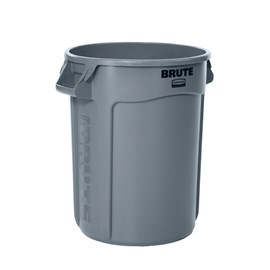
SKU: FG263200GRAY


Innovative venting channels make lifting out liners up to 50% easier, improving productivity and reducing the risk of injury.
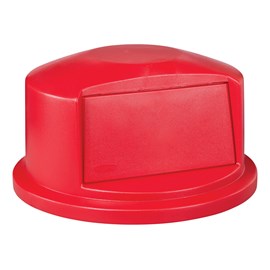
SKU: FG263788RED
The Rubbermaid Commercial Vented BRUTE® Dome Top Lid is built tough with a snap-lock design for a perfect fit. A spring door makes waste disposal easy and prevents insects from entering the receptacle.
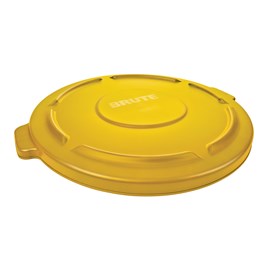
SKU: FG263100YEL
The Rubbermaid Commercial BRUTE® Self-Draining Lids feature self-draining channels that prevent water from pooling.
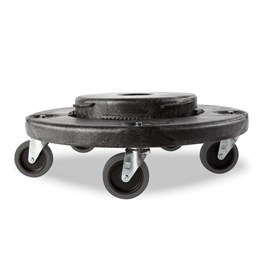
SKU: 2131929
Famed durability, with wheels. Reduce injury risk and drive waste efficiency in the toughest environments.
SKU: 2007913
Upgrade your Slim Jim® Recycling Station with a durable, easy-to-install lid insert designed to support streamlined and efficient waste separation in any environment.
SKU: FG264043BLA
The Rubbermaid Commercial BRUTE® Dolly provides easy mobility and maneuverability when collecting and transporting heavy loads.
The "4 bin rule" is the common name for Simpler Recycling in England, which sets a default of four containers in workplaces: non-recyclable waste, food waste, and the dry recyclable streams. In practice, that means separate containers for general waste, food waste, mixed recycling (plastic, metal and glass), and paper and card. The workplace rules came into force on 31 March 2025. Micro-firms with fewer than 10 full-time equivalent employees have until 31 March 2027. A multi-stream recycling station or a 4 stream Glutton unit puts all four streams in one footprint. Not sure what your site needs? Use the Waste & Bins Selector, or see the full England recycling legislation guide for the full picture.
Yes. Businesses that fail to comply with recycling legislation can face enforcement action, including compliance notices and financial penalties. Not sure how to be compliant? Understanding legislation and compliance couldn’t be simpler.
The best bin for high-traffic areas is one that takes daily knocks, shift after shift, without cracking or warping. Look for long product warranties for the reassurance that the bin can handle the job. For high volumes in tough environments, it can only be BRUTE®. Engineered for endurance with a reinforced base and UV inhibitors, it’s a bin designed to deliver under pressure in any environment. Where space is tight, the Slim Jim® range offers a slimmer footprint without compromising on durability. Made from high-quality, commercial grade materials and premium quality resin, it is built for the same daily demands. For multi-stream sites, a Slim Jim® recycling station keeps waste separate, combining a front-of-house look with a back-of-house toughness.
Commercial recycling regulations differ across the UK. In England, rules have been in force since 31 March 2025 and require businesses with 10 or more full-time equivalent employees to separate waste into four streams before collection under Simpler Recycling: food waste, mixed recycling (plastic, metal and glass), paper and card, and general waste. In Wales, workplace recycling has been a legal requirement since April 2024, and businesses must separate food waste, paper and card, glass, metal, plastic and cartons, unsold small electricals and unsold textiles from general waste. Businesses in both nations have a duty of care to manage their waste properly and be able to show they have done so. Further changes are due in England with rules extending to micro-firms from 31 March 2027, and mandatory plastic film separation now expected from April 2030. Digital waste tracking and Extended Producer Responsibility (EPR) for packaging also apply. Ensuring you understand legislation and compliance is just the first step, put the theory into practice with Recyclopedia’s recycling resources, tools and training.
The right size bin depends on the demands on the area. How much waste is produced? What kind of waste is being produced? How much space is there for recycling bins? When you have the wrong bin in the wrong place, the risk of cross-contamination is greater which could cost you more in waste disposal fees and reduce your recycling rate. Start with the volume per stream, the collection frequency and where the bin will sit. Take a ‘waste walk’ to assess your facility’s current set up before using the Waste & Bins Selector to find out which bins are recommended for each area of your facility.