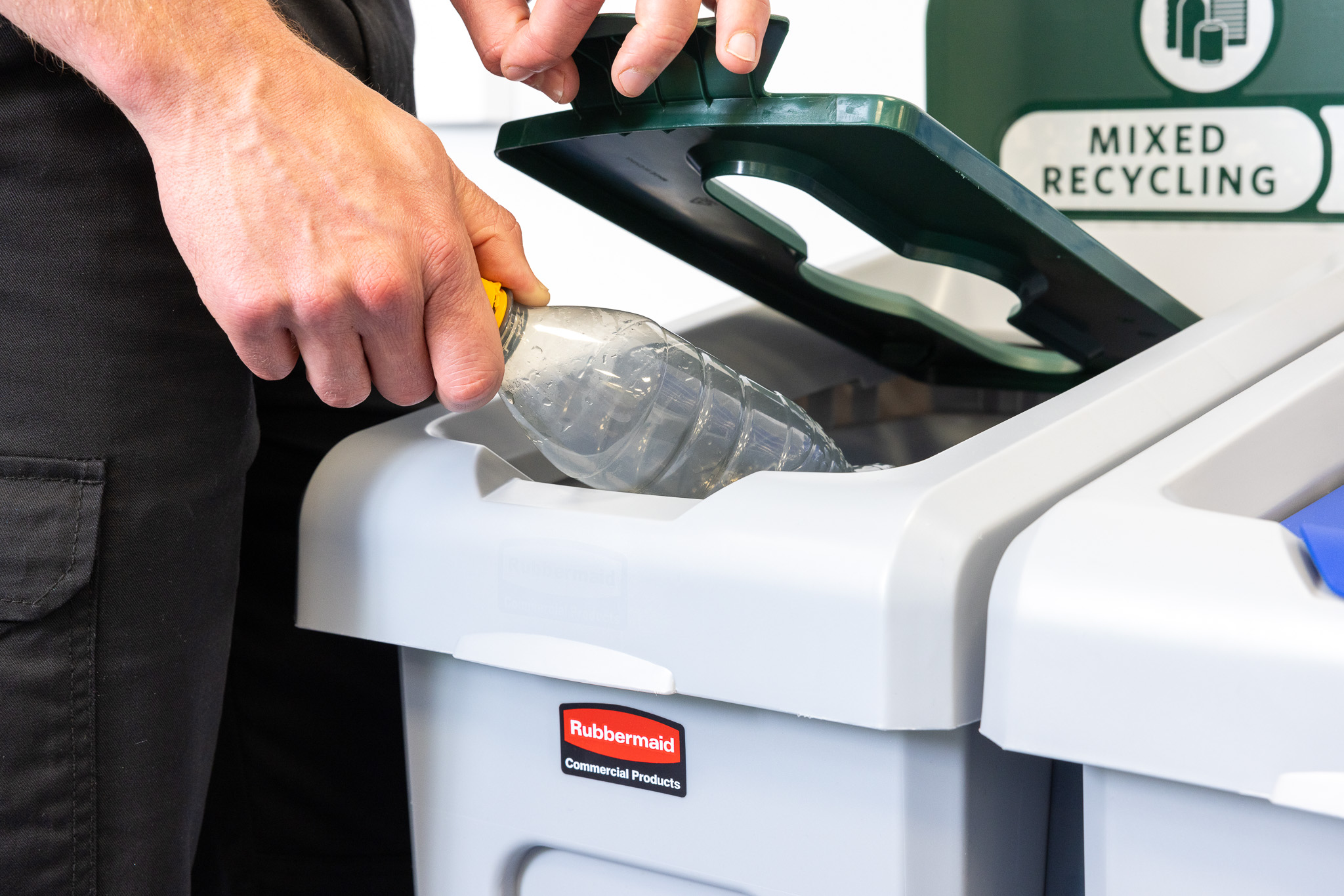
Care homes juggle a complex set of pressures every day - from infection control and staffing shortages to rising costs and new regulatory expectations. Waste and recycling often sit quietly in the background, but the way these systems are set up can have a direct impact on productivity, budgets and staff experience.
When bins are inconsistent, signage unclear or waste movement inefficient, contamination increases, collections fail, and staff spend more time than they should moving waste around the building. The good news? Small, practical improvements can make recycling easier, reduce costs and free up valuable staff time.
This article gives you a clear, practical overview of what you need to know, including:
the current recycling requirements and what’s changing
how better recycling systems can reduce costs and support productivity
why contamination happens in care homes
simple steps to make waste and recycling easier for your team
Whether you’re already compliant or still working towards a more consistent approach, these insights will help you build a system that’s easier for staff, better for residents and more cost‑effective for your organisation.
UNDERSTANDING RECYCLING LEGISLATION AND WHAT IT MEANS IN PRACTICE
Most care homes are already familiar with the principles behind Simpler Recycling. The legislation aims to standardise how organisations separate recyclable materials, ensuring that waste streams are clear, predictable and aligned with collection services.
Here’s what matters most for care homes right now:
Recyclable materials must be separated into the required streams (mixed dry recyclables, paper and card, and food).
General waste should only be used for items that genuinely cannot be recycled.
Your internal system must match the streams collected by your waste contractor.
You can read more about current Simpler Recycling rules and further changes to recycling legislation in our Recyclopedia here.
For many care homes, the biggest shift isn’t the rules themselves, it’s ensuring that every member of staff, including new starters and agency workers, can follow the system easily and consistently. That’s where better equipment, clearer signage and smarter bin placement make a measurable difference – including to your budgets.
WHY BETTER RECYCLING CAN SAVE CARE HOMES MONEY
Recycling isn’t just a compliance requirement, it’s a cost‑saving opportunity. When systems are simple, intuitive and consistent, care homes benefit in three key ways:
1. LESS GENERAL WASTE = LOWER DISPOSAL COSTS
General waste is typically the most expensive waste stream. Increasing recycling reduces the volume of general waste and lowers disposal charges.
2. FEWER CONTAMINATION CHARGES
Contaminated recycling is often rejected and charged as general waste. Clearer systems and better bin placement reduce mistakes and keep costs down.
3. MORE EFFICIENT WASTE MOVEMENT
When bins, carts and collection points are designed around real workflows, staff spend less time moving waste around the building, freeing up time for other tasks.
WHY CONTAMINATION HAPPENS IN CARE HOMES
Even with the best intentions, contamination is common and the reasons are often structural, not behavioural. A recent multi‑site study we conducted with a large UK care organisation highlighted several recurring causes:
Inconsistent bin placement across floors and rooms
Too many bin types, creating confusion among staff, residents and guests
Inconsistent colour‑coding and labelling
General waste bins placed too conveniently, encouraging disposal of recyclable waste in closest bin
Lack of standardisation, consistency and education in waste separation
These issues compound over time, leading to higher costs, rejected collections and more staff time spent correcting mistakes. When we worked with this organisation during a trial of a new system, they saw a 27% reduction in general waste disposal.
HOW CAN CARE HOMES REDUCE WASTE CONTAMINATION?
Here are practical steps that make recycling easier for staff and more reliable for your organisation:
1. STANDARDISE YOUR BINS ACROSS THE WHOLE HOME
Use the same colours and labels everywhere. Consistency reduces errors and makes training easier.
2. PLACE BINS WHERE WASTE IS CREATED
Front‑of‑house, kitchens, staff rooms, resident areas – recycling bins should be where people naturally need them.
3. USE CLEAR, INTUITIVE SIGNAGE
Colour‑coded labels, icons and simple language help staff, residents and visitors sort waste correctly.
4. REMOVE GENERAL WASTE BINS WHERE POSSIBLE
This encourages correct sorting at the point of disposal and reduces contamination.
5. MAKE WASTE MOVEMENT EASIER
Efficient carts and centralised collection points reduce trips and prevent staff from mixing streams “for convenience”.
6. TRAIN LITTLE AND OFTEN
Short refreshers work better than one‑off sessions, especially with high turnover or agency staff. Ready to improve your waste and recycling system? Small changes to equipment, layout and signage can make a big difference to compliance, cost control and staff productivity.
If you’d like tailored advice for your home, our team can help. Book a waste and recycling assessment.
For more practical tips, visit our recycling resources hub, Recyclopedia.
Share on Social Media