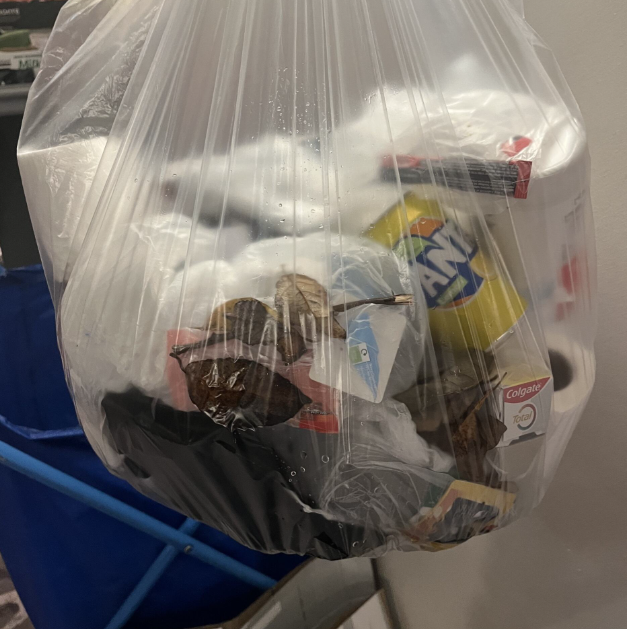
There's a moment every hospitality business dreads. When a health inspector or a customer catches sight of something that brings your hard-earned health and safety into question.
You won't be surprised to hear that when this happens, the damage to your reputation, your rating and potentially your bottom line can be severe. What may surprise you, however, is how often those disastrous moments can be traced back to something as seemingly inconsequential as a broken bin lid.
If you run a busy hospitality venue, we know that waste management might not be top of your ever-growing list of priorities. But when it goes wrong, it can quickly become one of your most serious issues. When that happens, it’s not just an inconvenience; it’s potentially an operational disaster. A hygiene risk. A pest issue. An HSE exposure. And in the worst cases, a customer experience that you can never undo.
The hidden risks of failing infrastructure
In a commercial kitchen, the stakes around waste management are high.
Under food safety regulations, all food waste containers must be designed to prevent contamination, minimise odours and stop pests from accessing the waste. Hazard Analysis and Critical Control Point (HACCP) standards go even further, specifying that bins should have tight-fitting lids, and recommending that pedal-operated, hands-free mechanisms are used in food preparation areas to reduce the risk of cross-contamination.
The problem is that while most venues invest in the right equipment that meets these standards to begin with, they don’t take into account the degradation of that equipment over time. Through repeated use, especially in busy areas like commercial kitchens, your equipment can fail. And when that happens, a minor issue can quickly become a major headache.
Imagine a bin that no longer closes properly. The result? Odours escape, attracting flies and pests to areas where food is being prepared and stored, creating a potential HSE violation.
Or, maybe the pedal mechanism has broken on your bin. It’s an annoyance for sure, but it’s also a direct HACCP concern because staff must now touch lids with hands that should remain clean.
Even something as simple as a compromised seal can be disastrous, as it creates a route in for rodents, a pest control nightmare that no one wants to consider.
The costs you don't see
You’d be forgiven for thinking that the cost of failing equipment only shows up when it’s time to source a replacement.
But beyond the cost of replacing a faulty or failed item, there are other direct expenses to consider. The cost of a pest controller or a deep clean, for example. Then there are indirect costs, such as the time your staff have to spend managing the fallout of failed equipment rather than performing their day-to-day duties. Or the impact on team morale when people are being asked to work with equipment that isn't fit for purpose. Not to mention the reputational risk if the problem becomes visible to guests.
At a time when margins are tighter than ever and reviews and ratings are publicly available, one wrong move can be disastrous. A single complaint from a customer or a failed health inspection can cause untold damage that takes months of effort and significant investment to undo.
The good news, however, is that this is avoidable, especially if you invest in robust, well-designed waste management solutions from the very beginning.
Key regulations and best practices
Pest control and sanitation: Waste containers must be constructed of suitable materials, kept clean, and be easy to disinfect.
Contamination prevention: Food waste must be removed from food preparation areas frequently.
HACCP standards: Under Hazard Analysis Critical Control Points (HACCP) regulations, bins should have a tight-fitting lid to minimize risk, and pedal-operated (hands-free) bins are preferred in food prep areas to prevent cross-contamination.
External waste: Any bins used outdoors must have a secure lid to comply with animal by-product regulations.
How to choose the right solutions
Meeting waste and HACCP standards is simple if you invest in the right equipment from the very start.
The key is choosing products that have been designed with those standards in mind and which have been built specifically to handle the unique demands that commercial hospitality venues face.
So what should you look for?
For food waste in back-of-house settings, step-on containers are the practical standard. Hands-free operation keeps the risk of cross-contamination low, while a slow-close lid mechanism means waste is consistently concealed between uses, reducing the risk of odours and deterring pests.
Our Slim Jim® Step-On containers are perfect for this kind of environment. Durable enough to withstand the pace of a commercial kitchen and small enough to fit into even the tightest of spaces, they're designed to keep performing shift after shift, not just in the first few weeks after installation.
The Slim Jim® Vented is designed with space restricted kitchens in mind. In environments where floor space is limited and bins are often tucked into narrow nooks, cupboards, and awkward corners, its slim profile makes it an ideal fit. With waste solutions frequently specified late in the kitchen design process, the Slim Jim® Vented offers a clear advantage - combining a small footprint with exceptional durability, making it a practical and dependable choice even in the tightest spaces.
When it comes to front-of-house areas, the equipment you choose is just as important. In spaces like restaurants, bars and receptions, you need to maintain the same high standards without compromising on style. That’s why our Rubbermaid Range brings the same standards to customer-facing spaces, with containers that combine compliance with aesthetics that won't let your venue down.
Check your equipment now
If you haven't reviewed the condition of your waste management equipment recently, now is a good time to do it. Walk your kitchen, your back-of-house areas, your external storage points. Check lids, pedals, seals and liners. Ask your team whether the equipment is holding up to everyday use. Download our helpful Waste Walk guide to walk you through the main areas to consider within your venue.
If things aren't up to scratch, don't wait for an inspection to find out. The cost of getting it right now is always going to be less than the cost of dealing with the fallout later.
Want to avoid waste management issues in your hospitality venue? Our newly launched Recyclopedia can help. It’s a dedicated hub full of helpful information and best practice to improve your waste management and recycling so you can eliminate issues and cut costs.
Share on Social Media