What are the business recycling laws in England and Wales?
Recycling rules for businesses are changing fast and the obligations differ depending on where you operate. This page cuts through the complexity - covering what English and Welsh businesses must do now under Simpler Recycling legislation and the separate Wales framework, what is coming next, and how to build a waste system that helps keep you compliant without disrupting your operation.
ENGLAND: SIMPLER RECYCLING OBLIGATIONS
Since 31 March 2025, most businesses in England have been legally required to separate waste inside their facilities before collection by a waste contractor. Here is what applies now and what is coming up.
Live now
Digital Tracking
Micro-firms
Download guide
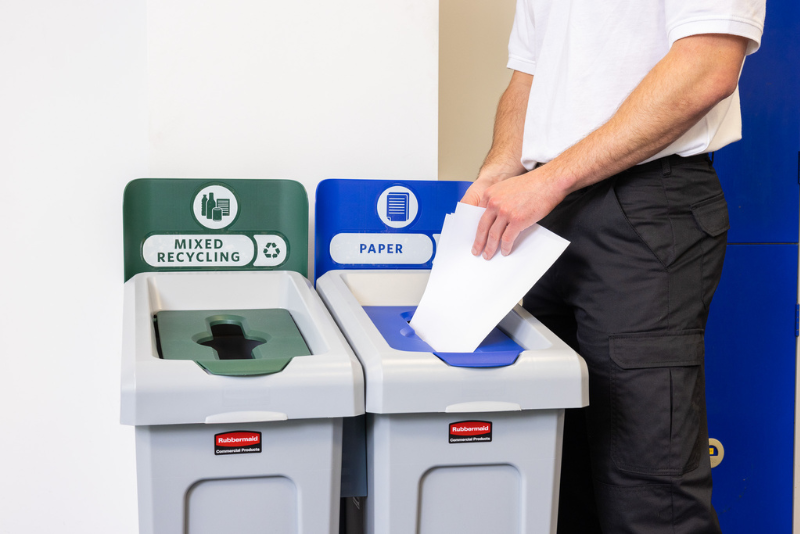
All businesses in England with 10 or more full-time employees must separate dry recyclables - plastic, metal, and glass - paper and card, food waste, and general waste before collection. Food waste regulations apply regardless of how little food waste your business produces.
Download Guide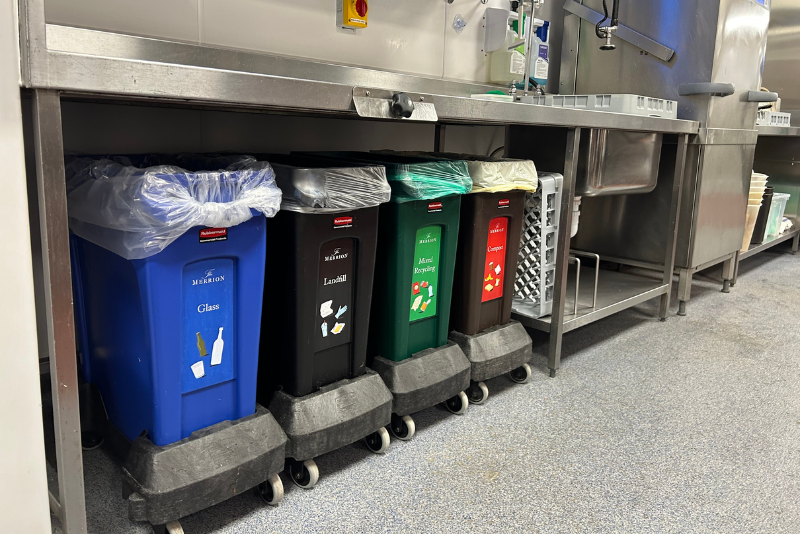
From October 2026, businesses must ensure waste is correctly sorted and documented. The UK's new Digital Waste Tracking Service creates a digital record of every waste movement, replacing paper-based systems and tightening compliance across the chain.
Learn More
Micro-firms with fewer than 10 full-time employees must comply with the same waste separation obligations as larger businesses from 31 March 2027. Now is the time to plan your waste infrastructure so you are not making rushed purchasing decisions close to the deadline.
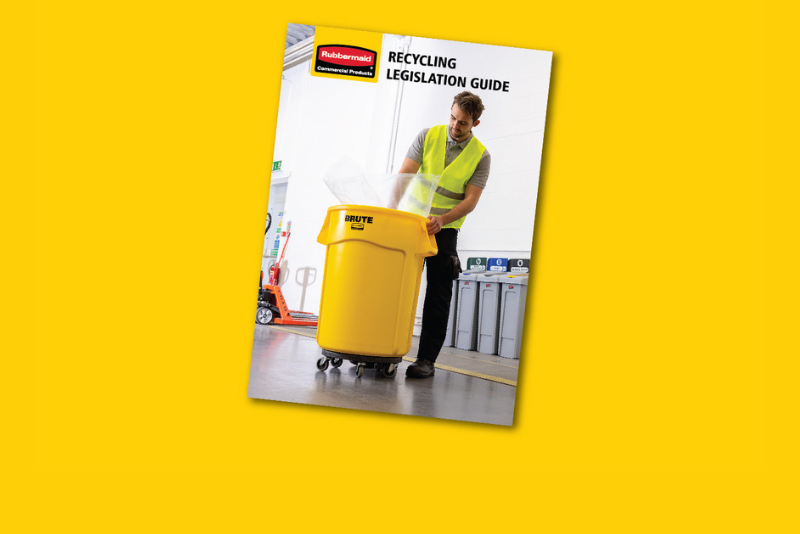
Read our simple guide to current and upcoming recycling legislation for businesses in England. It covers what you must do now and a roadmap of future waste legislation changes. Download it for free below.
WATCH: SIMPLER RECYCLING RULES IN ENGLAND
A short explainer covering the waste streams your business must separate, who the rules apply to, and a summary of what is coming next for business recycling in England.
RECYCLING RULES IN WALES

Wales has its own workplace recycling framework, separate from England's Simpler Recycling legislation. Introduced in April 2024, it requires businesses to separate six waste streams including food waste - with food waste regulations applying to any premises producing more than 5kg per week.
FREE RESOURCES TO HELP YOU GET IT RIGHT
Everything you need to understand the legislation, find the right products, and see how other businesses have made it work for them.
Recyclopedia is our free hub for recycling best practice. Find legislation guidance, contamination advice, practical tools, training videos, and real-world success stories - everything you need to build a waste system that works.
Visit Recyclopedia Visit RecyclopediaNot sure which containers your facility needs? Use our free online selector tool. Tell us about your facility type, the number of people on site, and the waste streams you generate and we will recommend the right products for your operation.
Use The Tool Use The ToolSee how businesses across hospitality, logistics, leisure, and healthcare have built compliant waste systems that cut costs and improved recycling rates. Real results from real working environments.
Read Case Studies Read Case StudiesProducts that help to make business recycling compliance straightforward
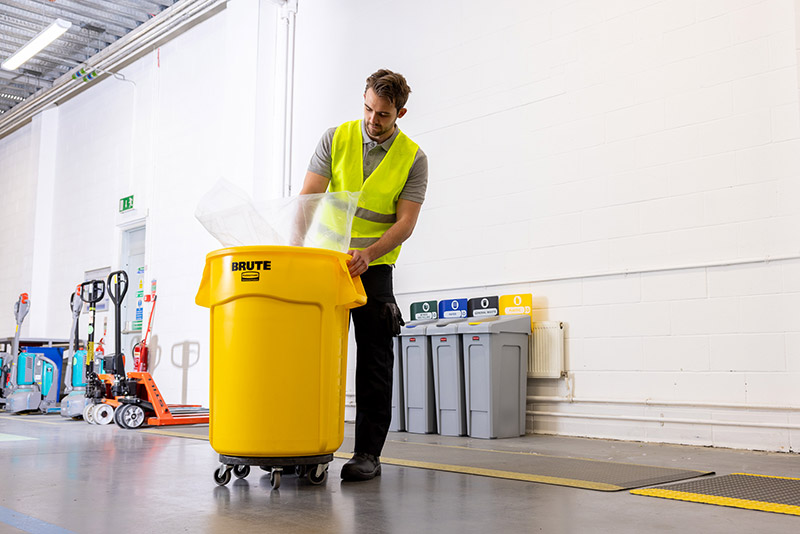
The right container in the right location supports compliance. RCP has a range built for every environment - from back-of-house high volume to front-of-house customer-facing areas - designed to make correct waste disposal the easiest choice for your facility users.

Multi-stream recycling station with clear apertures and integrated signage options, built to reduce contamination at the point of disposal.
View Products
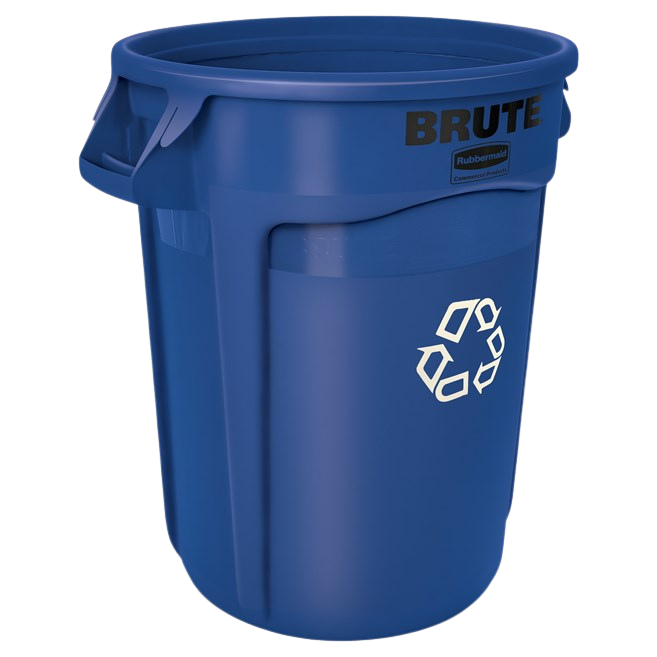
Built for the demands of high-volume, high-traffic environments. Durable, stackable, and designed to last under industrial conditions.
View Product
Hands-free pedal bin for food waste separation in kitchens, food service, and any environment where hygiene and compliance both matter daily.
View Product
Built for the demands of high-volume, high-traffic environments. Durable, stackable, and designed to last under industrial conditions.
View Product
Premium, flexible, colour-coded modular system available with seven waste stream label options. Configurable to meet the needs of any recycling programme.
View Product
Premium modular recycling station with interchangeable waste stream labels and a slim footprint. Built for high-traffic commercial interiors where appearance and compliance both matter.
View Product
Aesthetically pleasing waste and recycling solutions for light traffic areas. Compact, hands-free, and designed to fit where space is limited without compromising capacity.
View Productget in touch

Talk to our team. We will help you understand what the legislation means for your specific operation and recommend the right infrastructure to get you compliant and keep you there.
England's Simpler Recycling legislation requires businesses with 10 or more full-time equivalent employees to separate waste into four streams on site before collection: food waste, mixed recycling (plastics, glass, and metals), paper and card, and general waste. These rules came into force on 31 March 2025 and apply across all sectors. Further changes are on the way: from 2026, mandatory digital waste tracking will require businesses to log all waste movements through a government online platform, and the full rollout of Extended Producer Responsibility (EPR) means businesses placing packaging on the UK market may now be classed as obligated producers, with requirements to register, report packaging data, and pay waste disposal fees. From March 2027, the rules extend to all businesses regardless of size. Having the right waste separation systems in place is the most effective way to stay compliant as recycling legislation continues to evolve.
From March 2027, Simpler Recycling legislation expands and will apply to all businesses in England regardless of size. Currently the rules only apply to businesses with 10 or more full-time equivalent employees, meaning smaller businesses have until this date to put compliant waste separation systems in place. Across all sectors - from hospitality and foodservice to manufacturing and retail - facilities will need to separate four streams: food waste, mixed recycling (plastics, glass, and metals), paper and card, and general waste.
Yes, recycling is mandatory for businesses in England. Since 31 March 2025, all businesses with 10 or more full-time equivalent employees are legally required to separate four waste streams on site before collection: food waste, mixed recycling (plastics, glass, and metals), paper and card, and general waste. This applies across all sectors, including hospitality, foodservice, manufacturing, warehousing, education, and retail. From March 2027, these requirements extend to all businesses regardless of size.
Yes, businesses in England can face financial penalties for failing to comply with Simpler Recycling legislation. The Environment Agency has confirmed an £118 per hour enforcement fee for regulatory work carried out where non-compliance is found. Beyond direct fines, waste collectors may refuse to collect contaminated recycling or charge additional fees for doing so, adding further cost. Non-compliance can also result in formal warnings and statutory notices, with repeated or serious breaches escalating to greater enforcement action.
Plastic film recycling is not yet compulsory for businesses in England. The requirement was originally due to come into force in March 2027 but has since been delayed, with mandatory collection of plastic film and flexible packaging now expected from 1 April 2030. When it does come into effect, plastic film will need to be separated from all other waste streams before collection. This is particularly relevant for facilities in manufacturing, warehousing, foodservice, and retail where plastic film volumes tend to be high. Businesses should use the extended timeline to review current waste station layouts and container capacity now, rather than facing a rushed retrofit closer to the deadline.